


Grid Tie Solutions
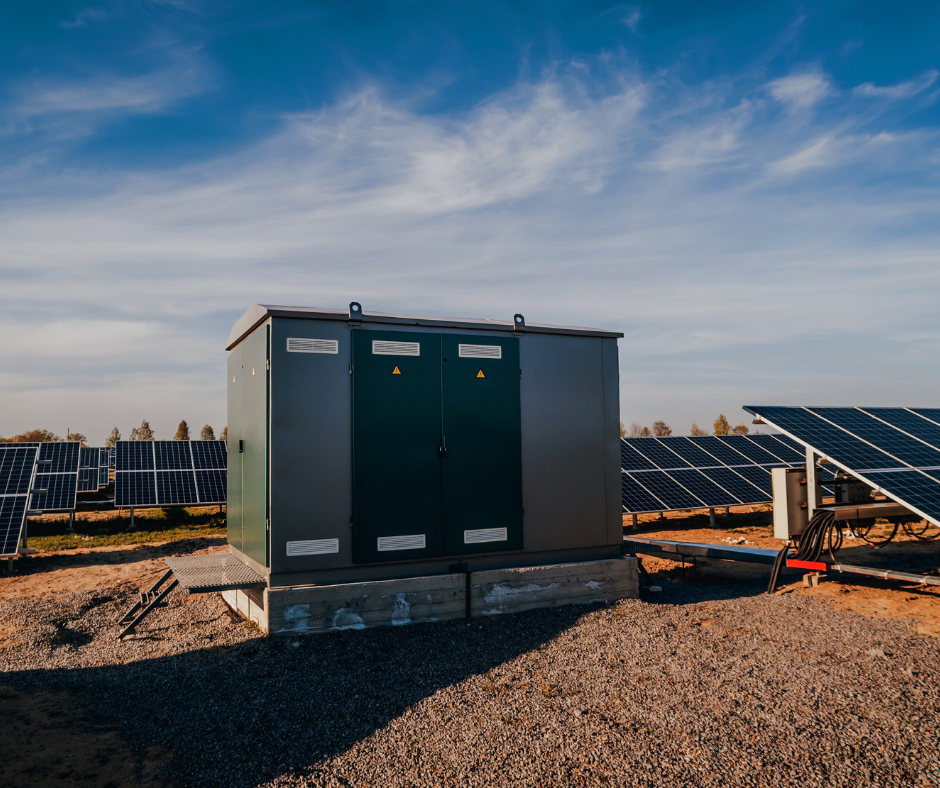
When your main focus is to reduce your utility bill instead of having backup power, then you should focus on a grid tied system. Grid tied systems, as the word indicates is tied to your current grid (Eskom if you reside in South Africa). This type of system was designed to have no need for batteries, reducing the system cost dramatically. The system comprises of a grid tied inverter and PV panels (solar panels) that are connected to your grid. When the grid is active, the system will produce power from the solar panels to feed your appliances and if there is not enough solar power available, then the extra power needed will then be taken from the grid. This reduces the number of units (KW) used from the grid.
Some Pros & Cons of Grid-Tie Systems:
—The downside to a grid tied system is that if the grid fails the grid tie inverter switches off. So, there is no form of
backup power.
— A single-phase home is limited to a 4.6kw inverter.
—A three-phase home is limited to 4.6kw per phase.
—The system is relatively cheap compared to other types of systems.
—Backup batteries can be added by adding an additional inverter charger